

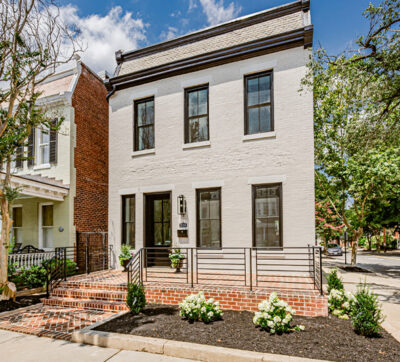
If you’re thinking about buying a home in Richmond, Virginia, you’re looking at one of the most dynamic real estate markets on the East Coast. The Richmond area has changed dramatically in the last five years. It’s no longer just a regional hub – it’s a destination for people who want urban energy combined with Southern charm, without the price tag of DC or Northern Virginia.
I bought my first home in Richmond at 26 and my second at 28. I know what it’s like to be young, uncertain, and excited about taking this step. What I’ve learned through my own purchases and working with hundreds of buyers is that the Richmond market rewards informed decision-making. This guide covers everything you need to know to buy smart.
The Richmond Market in 2026: What You’re Walking Into
Let me be direct: Richmond’s market has shifted significantly from 2024. We’re no longer in a seller’s market in most neighborhoods. Prices have stabilized, inventory has improved, and buyers have negotiating power they didn’t have two years ago.
Median home prices in the greater Richmond area sit around $385,000 to $420,000, depending on the neighborhood. In premium areas like The Fan, Westend, and parts of Glen Allen, you’re looking at $500K plus. But here’s what matters: there’s now genuine opportunity for first-time buyers and move-up buyers alike.
The market has also become segmented. New construction communities are booming, especially in Glen Allen, Hanover, and Chesterfield. Move-in ready homes in central Richmond neighborhoods are moving at reasonable prices. And if you’re patient and particular, you can find real value.
Understanding Richmond’s Neighborhoods: Where to Buy
Richmond isn’t just one market. It’s a collection of very different communities. Where you buy will determine not just your home value, but your lifestyle, commute, schools, and equity potential.
Central Richmond: The Fan, Jackson Ward, Museum District
These are the neighborhoods that make Richmond special. Tree-lined streets, historic architecture, walkable entertainment, and genuine community. The Fan is the crown jewel – Victorian and Edwardian homes built for families with taste. Houses here range from $450K to $800K for larger, renovated properties.
The challenge: most homes need work, or they’ve been expensively renovated and priced accordingly. You need to budget for inspections and understand what you’re getting into. But the upside is real. These neighborhoods appreciate consistently, and there’s something about living here – community, walkability, proximity to restaurants and culture – that people will pay for.
Short Pump and Westend: Newer, More Convenient
If you want newer construction, excellent schools, and easy access to shopping and dining, Westend and Short Pump are where you go. You’re trading some character for convenience. Homes here are typically 20-40 years old, well-maintained, and priced between $350K and $550K depending on condition and square footage.
Glen Allen: New Construction and Growing Communities
Glen Allen has exploded in the last five years. If you’re looking for new construction or move-in ready homes with modern amenities, you’ll spend time here. New communities offer everything from $350K to $600K+ depending on builder and location.
I’ve helped multiple clients navigate Glen Allen’s builder community. The incentives are real right now – free upgrades, closing cost assistance, rate buydowns. One client I worked with saved $22K in incentives by negotiating smartly with the builder.
Chesterfield: Suburban Stability
Chesterfield is home to some of Richmond’s best schools and most stable residential communities. Homes range from $300K to $700K depending on how far out you go. The further south and west, the newer and more spacious the homes.
Henrico and Hanover: Undervalued Growth Areas
These areas are still the best value in the greater Richmond market. Henrico offers a mix of older homes and newer inventory, typically $250K-$400K. Hanover is similar, with more newer construction options. If you’re buying for equity growth rather than immediate location, Henrico and Hanover offer solid opportunities.
Financing Your Home Purchase in 2026
Interest rates are a constant conversation. Right now, we’re in a different world than we were in 2022-2023. Rates have moderated, but they’re not back to 2021 lows. What matters is that you understand your financial position before you start looking.
Pre-Approval vs. Pre-Qualification
Get pre-approved, not just pre-qualified. Pre-qualification is a rough estimate. Pre-approval means a lender has actually verified your income, credit, and debt. In Richmond’s competitive pockets, sellers want to see a pre-approval letter. It shows you’re serious and ready to move.
Down Payment Options
You don’t need 20% down. That’s a myth. FHA loans allow 3.5% down. Conventional loans allow 3-5% down. VA loans (if you’re military) allow 0% down. The catch is that lower down payments mean mortgage insurance. Run the numbers with your lender – sometimes 10-15% down makes more financial sense than 3%, depending on your situation.
Closing Costs
Budget 2-5% of your purchase price for closing costs. In a $400K purchase, that’s $8K-$20K. It includes loan origination fees, title insurance, appraisal, inspection, and other services. In a negotiated market like we have now, it’s reasonable to ask the seller to cover closing costs as part of your offer – especially in new construction.
First-Time Homebuyer Programs
Virginia has several programs worth exploring if you’re a first-time buyer:
- Virginia Housing Down Payment Assistance Program: Up to $40,000 in grants or loans for down payment and closing costs
- Freddie Mac Home Possible: Flexible credit and income requirements, down payment as low as 3%
- Local first-time buyer workshops through Richmond agencies
Work with a lender who specializes in first-time buyers. They’ll know these programs and will help you access benefits you might miss otherwise.
The Buying Process: Step by Step
Step 1: Get Pre-Approved and Understand Your Budget
Before you look at a single house, know what you can afford. I meet people all the time who fall in love with homes that don’t fit their budget. That’s heartbreak waiting to happen. Get pre-approved. Understand your monthly payment. Factor in property taxes, insurance, and HOA fees if applicable.
Step 2: Partner With a Real Estate Agent
You don’t pay the agent – the seller does (their commission is split with your agent). Having representation costs you nothing but gives you professional guidance on pricing, negotiation, inspection priorities, and the Richmond market.
Step 3: Start Your Search and Schedule Showings
Look at homes in your neighborhoods. The key is discipline. Don’t fall in love with the first house that has granite counters. See 8-10 homes. Understand the range of what you get at different price points.
Step 4: Make an Offer
An offer is more than a price. It includes contingencies (inspection, appraisal, financing), timeline, earnest money, and special requests. In Richmond’s current market, a reasonable offer with 15 days to close and a professional inspection contingency is competitive without being aggressive.
Step 5: Inspection and Negotiation
The inspection will turn up issues. Every home has them. The question is which ones matter and which ones you live with. Your inspector and your agent should help you understand what actually needs attention versus what is maintenance or cosmetic.
Step 6: Appraisal
The lender orders an appraisal to confirm the home is worth what you agreed to pay. Sometimes appraisals come in low. If it does, you have options: renegotiate with the seller, put more money down, or walk.
Step 7: Final Walkthrough and Closing
Do a final walkthrough the day before closing. Confirm the agreed-upon repairs were done. Confirm appliances and fixtures that were supposed to convey are still there. Then go to closing, review your paperwork, sign, and get your keys.
Common Mistakes Richmond Buyers Make
- Getting pre-approved for more than they can comfortably afford. Your max approval isn’t your budget.
- Waiving the inspection contingency to make an offer more competitive. Don’t do this.
- Not understanding property taxes. They vary by neighborhood and can be $3K-$8K per year depending on value and location.
- Ignoring HOA dues and rules. Review the HOA documents before you buy.
- Shopping for homes before getting clear on what you want. Discipline up front saves confusion later.
Frequently Asked Questions
What’s the best neighborhood for a first-time buyer in Richmond?
It depends on your priorities. For walkability and community, The Fan and Jackson Ward are unbeatable. For value and convenience, Henrico and Hanover offer more for your money. For newer construction, Glen Allen and Chesterfield have great options. Pick based on your lifestyle and work location, not just price.
Should I get a real estate agent or buy on my own?
Get an agent. You don’t pay them – the seller’s commission covers both sides. An agent brings local knowledge, helps you with offers and negotiations, advises on inspection issues, and protects your interests throughout the process.
How much should I offer below asking price?
Richmond’s market has shifted toward buyers, but it’s still neighborhood-specific. In hot neighborhoods or new construction, homes may sell at asking or above. In other areas, 2-5% below asking is reasonable. Let recent sales in that specific neighborhood guide your offer.
What if the appraisal comes in low?
You have options. Negotiate with the seller to reduce the price to match the appraisal. Put more of your own cash down. Request an appraisal rebuttal if you believe it’s inaccurate. Or walk if the deal no longer makes sense.
Is it better to buy now or wait?
This is the question everyone asks. Here’s the truth: waiting for the perfect market moment rarely works. Rates might drop, but prices might rise. Prices might fall, but rates might rise. The best time to buy is when you’re ready financially and have found the right property.
What neighborhoods should I avoid?
I don’t recommend avoiding any neighborhood outright. Some neighborhoods are in transition, some are more urban, some are more suburban. The question isn’t what to avoid – it’s where does your lifestyle fit. Visit neighborhoods at different times of day. Talk to people who live there. Then decide based on what appeals to you.
by Daniel Yoon, eXp Realty – Richmond, Virginia | (804) 896-2694 | danielyoonrealty.com